
Monsoon Magic in Varanasi: Experience the Spiritual City in Rainy Season
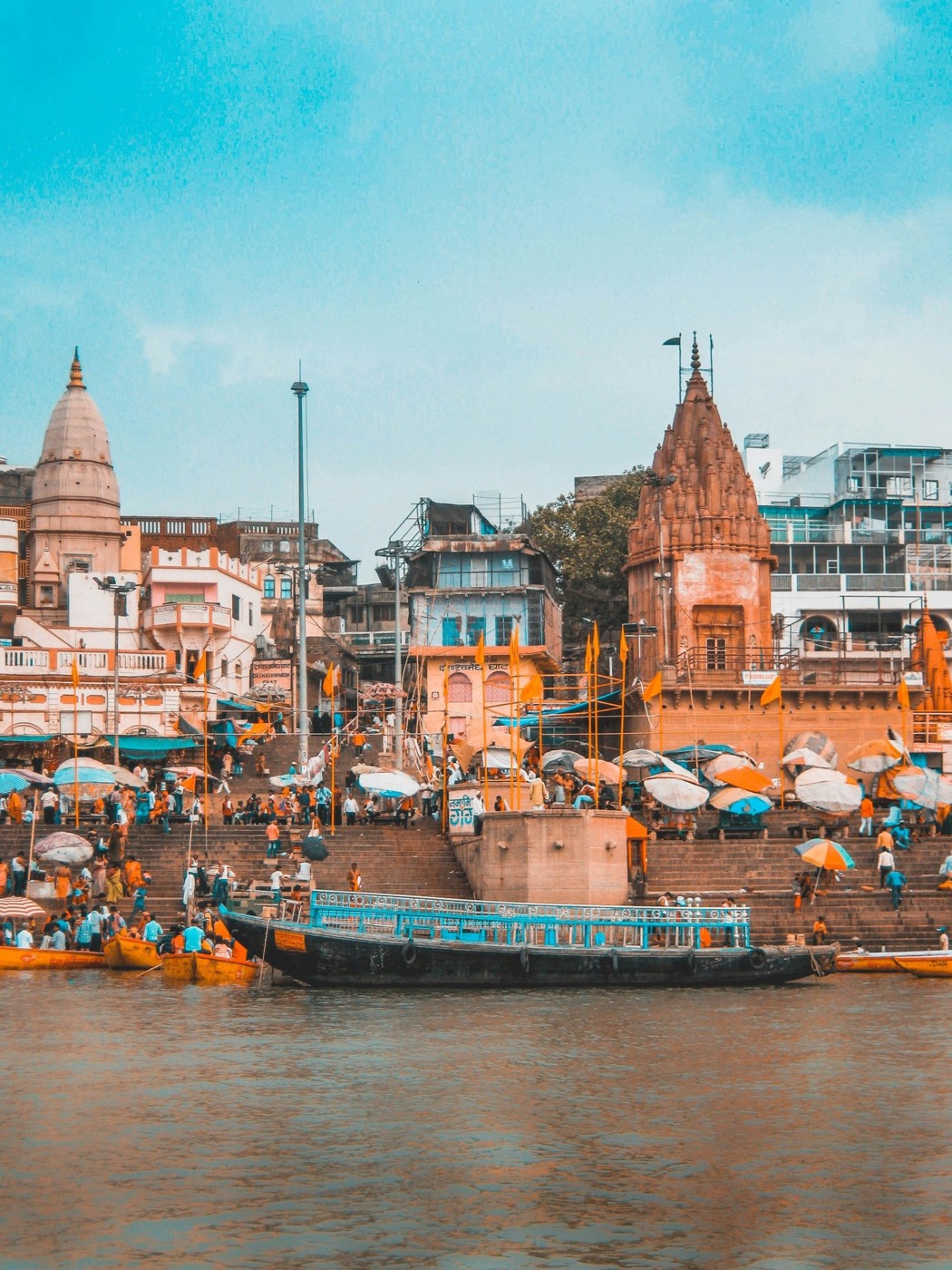
Monsoon in Varanasi runs from late June to September, and July and August are the wettest months. The biggest change isn't the rain, it's the river. The Ganga rises, swallows the lower steps of almost every ghat, and the long riverside walk from Assi to Raj Ghat gets cut in several places. Most guides don't mention that, but it's the thing that really decides what your day looks like.
We've been running cars through every Varanasi monsoon since 1993. So this is what we actually tell people who ring us in July, including the bits that might talk you out of coming.
What actually changes on the ghats
As the water comes up, the stone steps you've seen in all the photos disappear under it. Nobody officially closes the ghats. The space you can use just shrinks to the top terraces, and the lanes behind get busier than normal. Where a ghat has a steep drop, the path to the next one simply vanishes, so getting along the river usually means climbing up into the galis and coming back down further along.
The Ganga Aarti at Dashashwamedh carries on right through the monsoon. When the river's high, the platforms get shifted back and up towards the road end of the ghat. It still happens every single evening. It's just squeezed into a smaller space, and the crowd stands closer together because there's less dry stone to go round.
Boat rides: assume suspended, confirm on the day
We'll be straight with you about this. When the current's strong, or the water goes past the administration's danger mark, the boats stop. Sometimes that's for a day. In a heavy year it can be weeks. It's a local safety decision and nobody announces it far ahead.
So if a sunrise boat ride is the whole reason for your trip, don't book it for the monsoon. If you're coming anyway, think of the boat as a bonus, not a plan. Ask us on the morning itself; our drivers know by 6 am whether the boats are going out.
What gets better
It's not all bad news, honestly. Summer in Varanasi hits 40–45°C, and once the rains arrive it usually drops to the low thirties, which makes walking the old city bearable again. It's also the quiet season for domestic tourists. Queues at Kashi Vishwanath are shorter than they are between October and March, and on a wet weekday you'll have Sarnath almost to yourself.
- The light is dramatic. Storm clouds piling up over the river behind the ghats is the shot photographers keep coming back for.
- Prices drop. Hotels and boats both get cheaper in the off season.
Teej, and the festival calendar
Teej falls in the monsoon, and it's well worth timing a trip around. It's a women's festival: green and red clothes, swings hung up in courtyards, and processions through the older parts of the city. It isn't put on for tourists the way Dev Deepawali is. It's the city doing something for itself, and that's a big part of why we love it.
Getting around: what the rain actually does to a vehicle
Waterlogging in Varanasi happens in the same spots every year. Around Godowlia, Luxa and parts of Cantt, water sits on the road after heavy rain, and the narrow lanes near the ghats aren't drivable even on a dry day. That means two things for you. Ground clearance matters, and we may have to drop you a little further from where you're going than we would in December.
- Innova Crysta — ₹16/km. Our go-to for four to six people in the rain; it sits high enough to handle standing water on the main roads.
- Tempo travellers — from ₹23/km. High off the ground, with room for wet bags, so this is what most monsoon pilgrimage groups of eight or more travel in.
- Maharaja Tempo Traveller — ₹30/km, for groups who want recliners and a longer day out.
- Swift Dzire — ₹11/km. Fine for airport runs and sightseeing on a dry day. We wouldn't send it down a badly flooded road.
Every rate is per kilometre and fixed before you set off, with the driver allowance, tolls, parking and 5% GST shown separately. Get an exact figure for your dates and group size.
Practical notes
A few things we tell everyone. Bring shoes you can rinse off, because ghat stone is covered in slippery silt once the water drops back, and leather won't survive the week. Keep your phone and papers in a dry bag or a sealed pouch; an umbrella's no match for a proper downpour. Plan less than you think you can do. If your half-day list has four stops, expect to manage three. Do darshan and rituals in the morning, since the rain here usually comes later in the day. And if you need one plan that'll work whatever the weather, Sarnath is only 12 km away on a good road.
Should you come in the monsoon?
Come if you want Varanasi without the crowds, you don't mind making it up as you go, and the ghats and temples are what you're here for. Don't come if the trip hinges on a boat ride, if someone in your group struggles with wet, uneven steps, or if you've got exactly two days and can't afford a washout.
Still not sure? Call or WhatsApp us on +91 92503 31290 and book a quick chat. We'll tell you what the river's doing this week, which is the only honest answer we can give.
Book Your Varanasi Trip Today
Need a tempo traveller, cab, or luxury bus for your Varanasi pilgrimage? Varanasi On Wheels offers 24/7 service with transparent pricing.
From our group
- Kashi Rides. Fixed per-person package prices, each with an hour-by-hour plan.
- Kashi Tempo. A printed per-km rate card for group vehicles from 12 to 49 seats.
- Urbania Varanasi Cabs. Only Force Urbania and Maharaja Urbania vans, timed around your darshan.
- World View Travel Services. Our parent company, in Varanasi since 1992.